
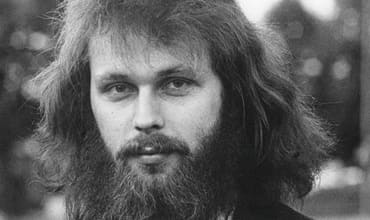
Clark Olofsson, a famous Swedish bank robber, has died at the age of 78 after being sick for a long time. He spent more than half of his life in prison for crimes like robbery, drug dealing, assault, and attempted murder. He became most well-known during a bank hostage situation in 1973. In this incident Something surprising happened: the hostages started to feel close to their kidnappers. They even defended them after being released. This made headlines around the world and led to the creation of the term “Stockholm Syndrome.”
What is Stockholm Syndrome?
Stockholm syndrome is when a person who is being held captive starts to feel affection, trust, or sympathy for the person who is holding them. It can happen in very stressful or scary situations, as a way for the mind to cope. It’s a psychological reaction—not something people do on purpose.
Key points of the bank robbery case in Stockholm, Sweden, in 1973
- On August 23, 1973, robber named Jan-Erik Olsson attacked a bank in Stockholm, Sweden. He had a machine gun and took four employees hostage (three women and one man). Olsson was a friend of Clark Olofsson, whom he met in prison.
- Olsson demanded that Clark Olofsson, who was already in prison, be brought to the bank. The Swedish government agreed, and Olofsson joined him inside the bank.
- Over the next six days, something strange happened: the hostages started to trust and defend the robbers, especially Olofsson.
- One of the hostages, Kristin Enmark, later wrote in her book that she was 23 years old at the time and feared for her life. She even began to feel that Clark Olofsson was protecting her rather than hurting her. According to her, he promised to keep her safe—and she believed him. She said they were telling stories, playing games, and had a “really nice time” in the bank.
- During phone calls with the police and even the prime minister, Kristin defended the robbers. She said she wasn’t afraid of them—she was more afraid the police might try to attack the bank and put their lives in danger. This surprised people all over the world.
- After six days, police used tear gas to force the robbers to surrender and free the hostages. Interestingly, the hostages still didn’t want to leave the robbers and later refused to testify against them.
- Two police officers were injured during the standoff, which ended on August 28. Both Olofsson and Olsson were arrested.
This strange reaction led a Swedish expert, Nils Bejerot, to come up with the term Stockholm syndrome to explain why hostages might grow close to their captors in scary situations. It describes when people in dangerous, traumatic situations form emotional bonds with the person threatening them. Some experts say it’s not a real mental illness, but rather a survival tactic—a way the brain copes with extreme fear and stress.
However, not everyone agrees that it’s a true psychological condition. Kristin Enmark herself later said it was simply her way of surviving and believed that calling it a ‘syndrome’ was a way of blaming the victim.”
Clark Olofsson spent more than half of his life in prison for crimes like robbery, drug dealing, assault, and attempted murder. Clark Olofsson continued to get in trouble with the law throughout his life and spent many years in prison. Olofsson was often referred to as Sweden’s first “celebrity gangster”.
He was finally released in 2018. He died in Arvika, Sweden on 24 June 2025. In 2022, a Netflix series called Clark, starring actor Bill Skarsgard , told his story.